The most common question we are asked is how often a property should be treated. The honest answer is that it depends — on the pest, the building, the surrounding environment and how the premises are used. Anyone who quotes a single interval for every property is guessing.
Why Nairobi is a year-round problem
Nairobi does not have a cold season that interrupts insect breeding. Rainy periods drive rodents and snakes indoors, warm spells accelerate cockroach and fly reproduction, and the constant movement of people, deliveries and second-hand goods keeps reintroducing pests. There is no month where a property is naturally safe.
A practical starting point
As a rough guide, based on what we actually see across our client base:
- Family home, no history of infestation: an annual inspection, plus treatment when something appears.
- Family home with pets or a garden, or a history of rodents: every six months.
- Apartment block or rental property: quarterly, because pests move between units and tenants change.
- Restaurant, café or food production: monthly. This is a compliance requirement as much as a hygiene one.
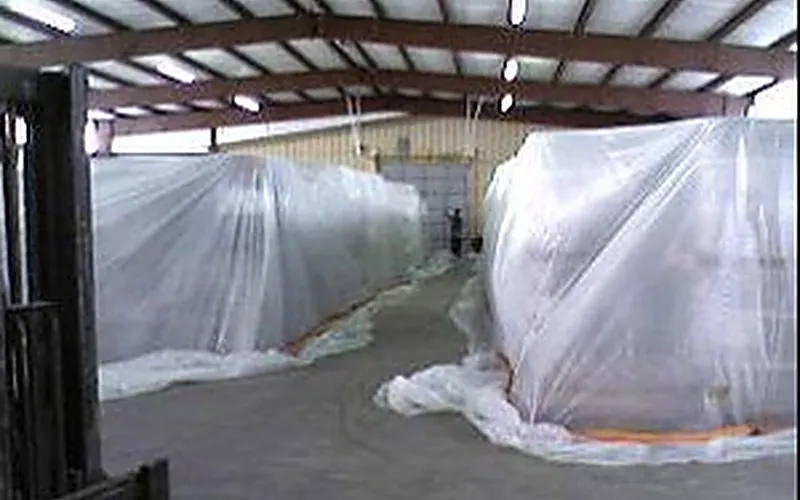
- Warehouse, grain store or mill: quarterly plus fumigation when monitoring indicates activity.
- Construction site: at foundation stage and again at handover, as a minimum.
The signs your interval is too long
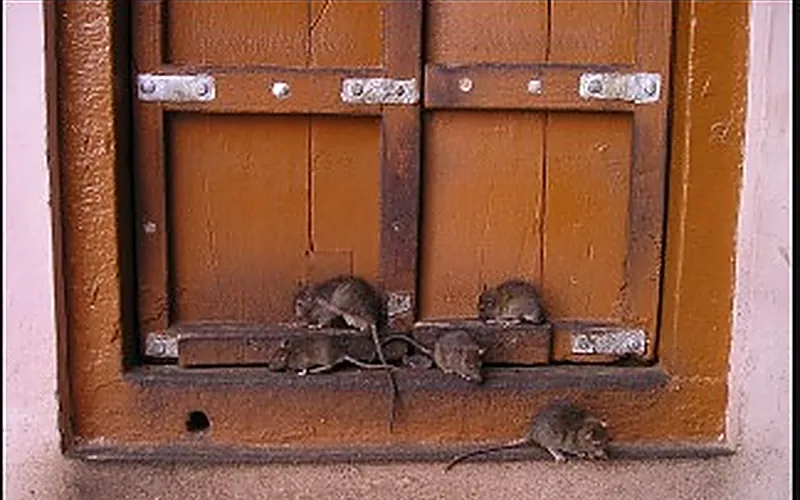
If you are seeing activity between visits, the schedule is wrong, the treatment is wrong, or the prevention advice is not being followed. Repeated sightings, fresh droppings, new gnaw marks, bait stations that are consistently empty or consistently full, and odour in service areas all point to a gap. So does a single unit in a block being treated while neighbours are not — pests do not respect unit boundaries.
A maintenance programme is not a subscription for spraying. It is monitoring, early correction and a record you can act on.
What a good programme includes
A monthly or quarterly visit should include an inspection, not just an application; a record of what was found and where; correction of any conditions that have changed; and a clear escalation path if activity is increasing. If your current provider only sprays and leaves, you are paying for activity, not for control.
If you are unsure where your property sits, start with an inspection. It is free, it takes under an hour for most homes, and it will tell you whether you need a programme or a one-off treatment.